Smart Home for Beginners: What to Buy First (and What to Skip)
A beginner's order of operations for a first smart home, which devices give the most value for the least hassle, and the common first purchases you can safely skip.
Plain-English guides to plug-in, stick-on and battery-powered devices, easy routines that actually help, and a free calculator that shows what a smart plug can save.
Estimate what a device costs to run now, and what you could save by putting it on a smart-plug schedule and cutting its standby power. Everything runs in your browser; nothing you type is sent or saved.
Estimated savings per year
–
Energy (kWh) = watts × hours ÷ 1,000. Yearly cost = daily kWh × 365 × your rate. “Now” counts the device’s on-hours plus standby for the rest of the day. “With the plug” counts the scheduled on-hours, standby only for hours the plug doesn’t cut power, plus the plug’s own draw for 24 hours. Payback = plug price ÷ monthly savings.
An estimate, not a guarantee. Real bills include fixed fees, tiers and time-of-use rates, and device power varies with settings. The $0.17/kWh starting rate is a round number near the recent U.S. residential average reported by the U.S. Energy Information Administration; yours may be much higher or lower. Never put space heaters or other high-draw heating appliances on a smart plug unless both makers say it’s allowed. See does a smart thermostat save money? for heating and cooling.
Beginner guides, no-drill setups and routines. Every guide shows when it was last updated.
A beginner's order of operations for a first smart home, which devices give the most value for the least hassle, and the common first purchases you can safely skip.
Smart-home upgrades that need no drilling, rewiring or landlord drama: plug-in, stick-on and battery devices, plus what to check in your lease before you start.
How smart plugs work, what they can and can't safely control, and 12 practical automations for lamps, fans, chargers, coffee makers and standby power.
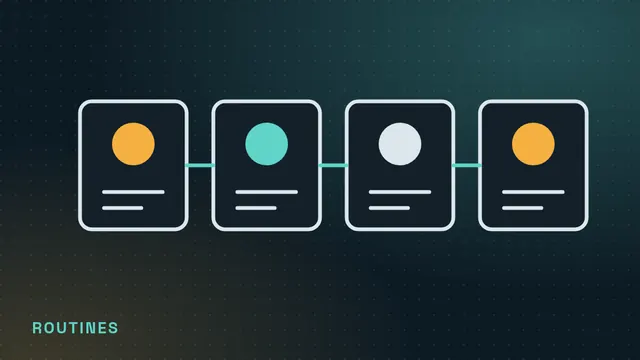
Ten simple smart-home routines that beginners actually keep using, what devices each needs, and how to set them up in Alexa, Google Home or Apple Home.
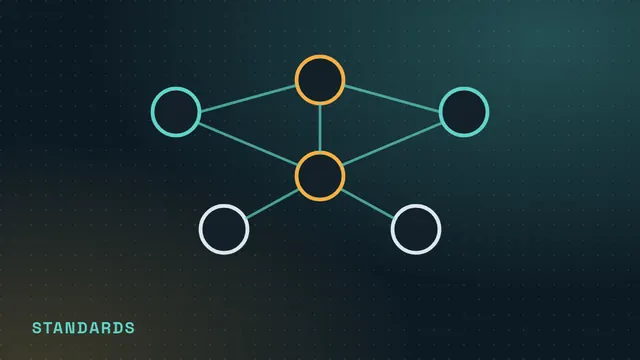
A plain-English explanation of the wireless standards behind smart-home devices, how Matter fits on top of Wi-Fi and Thread, and which to choose as a beginner or renter.
What government data says about smart-thermostat savings, when they pay off and when they don't, wiring and lease checks, and how to estimate savings for your home.
What to buy first, how the wireless standards differ, and how to pick an ecosystem.
Plug-in, stick-on and battery devices you can take with you when you move.
Starter automations and honest math on what smart plugs and thermostats save.
Choosing between bulbs and switches, fixing devices that drop offline, and keeping your home private.
We work from manufacturer manuals, standards bodies and public guidance, and we never claim tests we didn’t run.
Affiliate links and AI-assisted drafting are always disclosed. Rankings are never sold.
Renter-friendly, no-drill options first, with routines you’ll actually keep using.
Every guide shows its last-updated date and is revisited when standards or apps change.